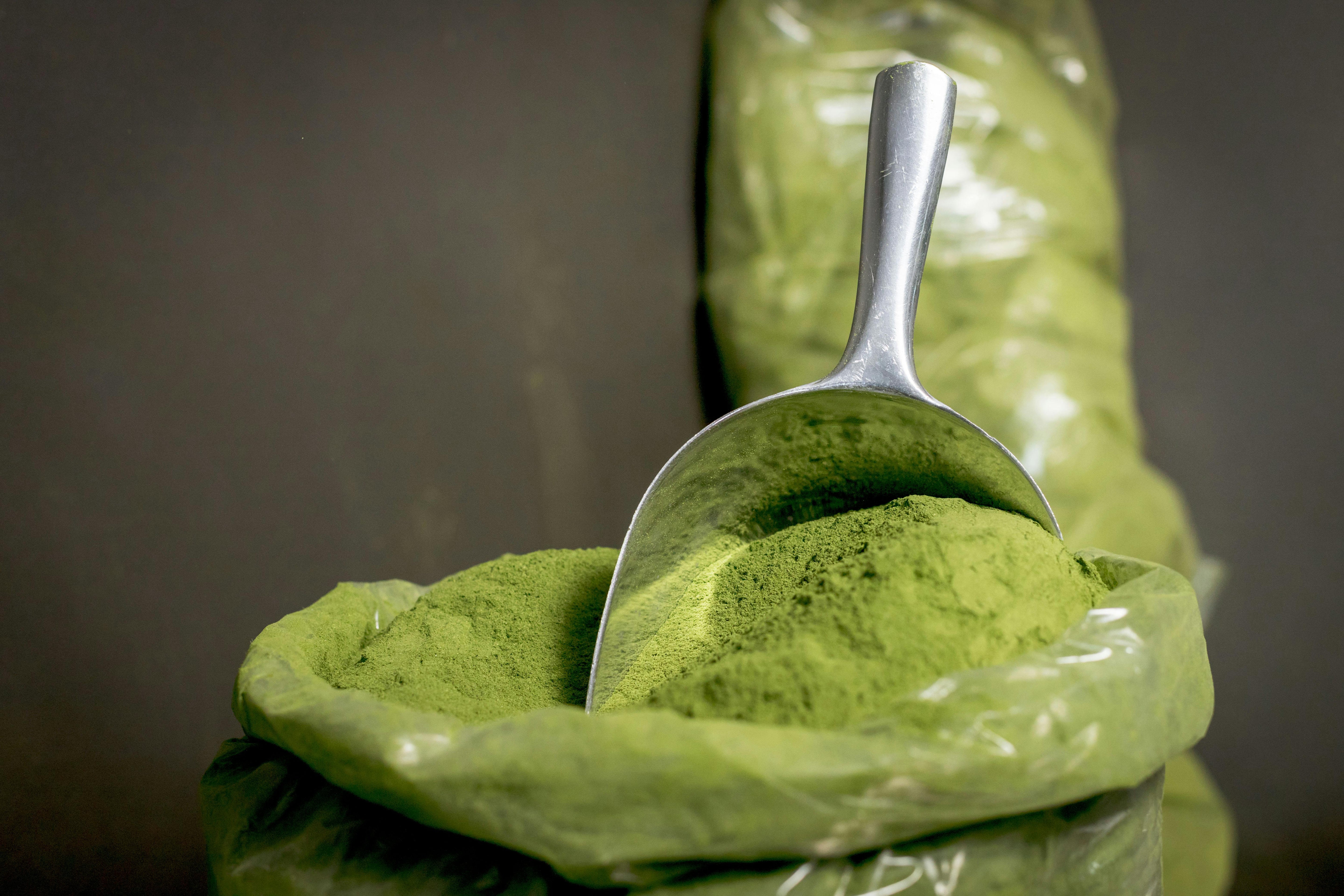
How Much Moringa Should I Take for Arthritis? Dosage Guidelines for South Africans
What Does the Research Say About Moringa Dosage for Arthritis?
Scientific studies examining moringa's effectiveness for arthritis have used specific dosage ranges in clinical trials. A comprehensive study published in PMC found that 250mg of moringa extract per kilogram of body weight showed superior anti-inflammatory effects compared to 500mg doses, suggesting that higher amounts don't necessarily provide better results.
When translating animal study doses to human equivalents, researchers estimate that the 200-500mg/kg doses used in rat models would translate to approximately 2.3-5.7g daily for a 70kg adult. This would require consuming 15-20g of raw moringa leaves daily, making concentrated extracts or powders more practical.
How Much Moringa Powder Should I Take Daily for Joint Pain?
For South Africans managing arthritis symptoms, the recommended starting dosage is:
- Beginners: Start with ½ teaspoon (1-2g) moringa powder daily
- Standard dose: 1-2 teaspoons (3-6g) moringa powder daily for adults
- Maximum safe dose: Up to 11 teaspoons (70g) daily, though this amount is rarely necessary
WebMD reports that moringa leaf products have been used safely for up to 6 months in clinical studies, providing confidence for longer-term use when managing chronic arthritis symptoms.
What's the Best Form of Moringa for Arthritis Relief?
Different moringa preparations may offer varying benefits for arthritis management:
| Form | Typical Dosage | Best For | Absorption Rate |
|---|---|---|---|
| Moringa Powder | 1-2 teaspoons daily | General wellness & inflammation | Moderate |
| Moringa Capsules | 400-500mg, 2-4 daily | Convenient dosing | Good |
| Moringa Extract | 250-500mg daily | Targeted anti-inflammatory effects | High |
| Moringa Oil (topical) | Applied 2-3 times daily | Direct joint application | Localized |
South African-grown moringa from farms like those in Limpopo may offer superior freshness and potency compared to imported alternatives, potentially requiring lower doses for effectiveness.
Why Does Arthritis Affect So Many South Africans?
A comprehensive meta-analysis published in PLOS One found that South Africa has some of the highest arthritis rates in Africa, with osteoarthritis being the most prevalent form. Rural South African communities show particularly high rates, with some studies reporting up to 82.7% prevalence among seniors.
These statistics highlight why South Africans are increasingly seeking natural alternatives like moringa to complement conventional arthritis treatments, especially given the side effects and costs associated with long-term pharmaceutical interventions.
When Should I Increase My Moringa Dosage?
Monitor your body's response to moringa over the first 2-4 weeks. Consider gradual increases if:
- You experience no digestive discomfort at your starting dose
- Joint pain and stiffness haven't improved after 3-4 weeks
- You're working with a healthcare provider who approves dose adjustments
- Your overall health status is stable
Never exceed the maximum safe dosage without medical supervision, and remember that research suggests optimal anti-inflammatory benefits may occur at moderate doses rather than maximum amounts.
What Are the Potential Side Effects of Taking Moringa for Arthritis?
Safety studies indicate moringa leaf extracts demonstrate a high degree of safety, with no adverse effects reported in human studies. However, some individuals may experience:
- Digestive upset when starting (usually temporary)
- Diarrhea if taking excessive amounts
- Interaction with certain medications, particularly blood thinners
- Blood sugar changes (important for diabetics)
South Africans taking chronic medication for conditions common in our population—such as diabetes, hypertension, or HIV treatment—should consult their healthcare provider before adding moringa to their regimen.
How Long Before I See Arthritis Improvement with Moringa?
Based on clinical studies, most people notice initial improvements within 2-4 weeks of consistent moringa use. The anti-inflammatory compounds in moringa, particularly isothiocyanates and quercetin, begin working immediately but require time to accumulate and show measurable effects on joint pain and stiffness.
For optimal results, consistency is key. Take your chosen moringa product at the same time daily, preferably with food to enhance absorption and minimize any potential stomach irritation.
Frequently Asked Questions
Can I take moringa with my arthritis medication?
Moringa is generally safe to combine with most arthritis medications, but it may interact with blood thinners and diabetes medications. Always consult your healthcare provider, especially if you're taking warfarin, methotrexate, or other immunosuppressive drugs commonly prescribed for rheumatoid arthritis.
Is moringa better than turmeric for arthritis?
Both moringa and turmeric offer anti-inflammatory benefits through different mechanisms. Moringa provides a broader nutritional profile including protein and minerals, while turmeric's curcumin specifically targets inflammatory pathways. Many people find combining both supplements provides enhanced benefits for joint health.
Should I take moringa on an empty stomach or with food?
Take moringa with food to improve absorption and reduce the risk of stomach upset. The healthy fats in meals help your body absorb moringa's fat-soluble vitamins and compounds more effectively.
Can pregnant women take moringa for arthritis?
Pregnant women should avoid moringa root, bark, and flowers, but moringa leaves are generally considered safe during the second and third trimesters. However, always consult your doctor before taking any supplements during pregnancy, especially for managing arthritis symptoms.
How does South African moringa compare to imported varieties?
South African moringa, particularly from Limpopo Province farms, offers advantages in freshness and potency due to shorter supply chains and optimal growing conditions. Local moringa also eliminates concerns about long-distance shipping and storage that can degrade nutrient content in imported products.
For South Africans dealing with arthritis, moringa represents a promising natural approach to managing inflammation and joint pain. Products like those from Moringa Utopia, grown on farms in Mookgopong, Limpopo, provide locally-sourced options that support both your health and the local economy. Start with conservative doses, monitor your response, and consider moringa as part of a comprehensive approach to arthritis management that includes proper nutrition, appropriate exercise, and regular medical care.
Ready to experience the anti-inflammatory benefits of premium South African moringa? Explore our range of organic moringa products grown and processed right here in Limpopo Province.
This article is for informational purposes only and does not constitute medical advice. Moringa oleifera is a food supplement, not a medicine. Always consult a qualified healthcare professional before changing your supplement routine, particularly if you are on chronic medication, pregnant, or breastfeeding.